
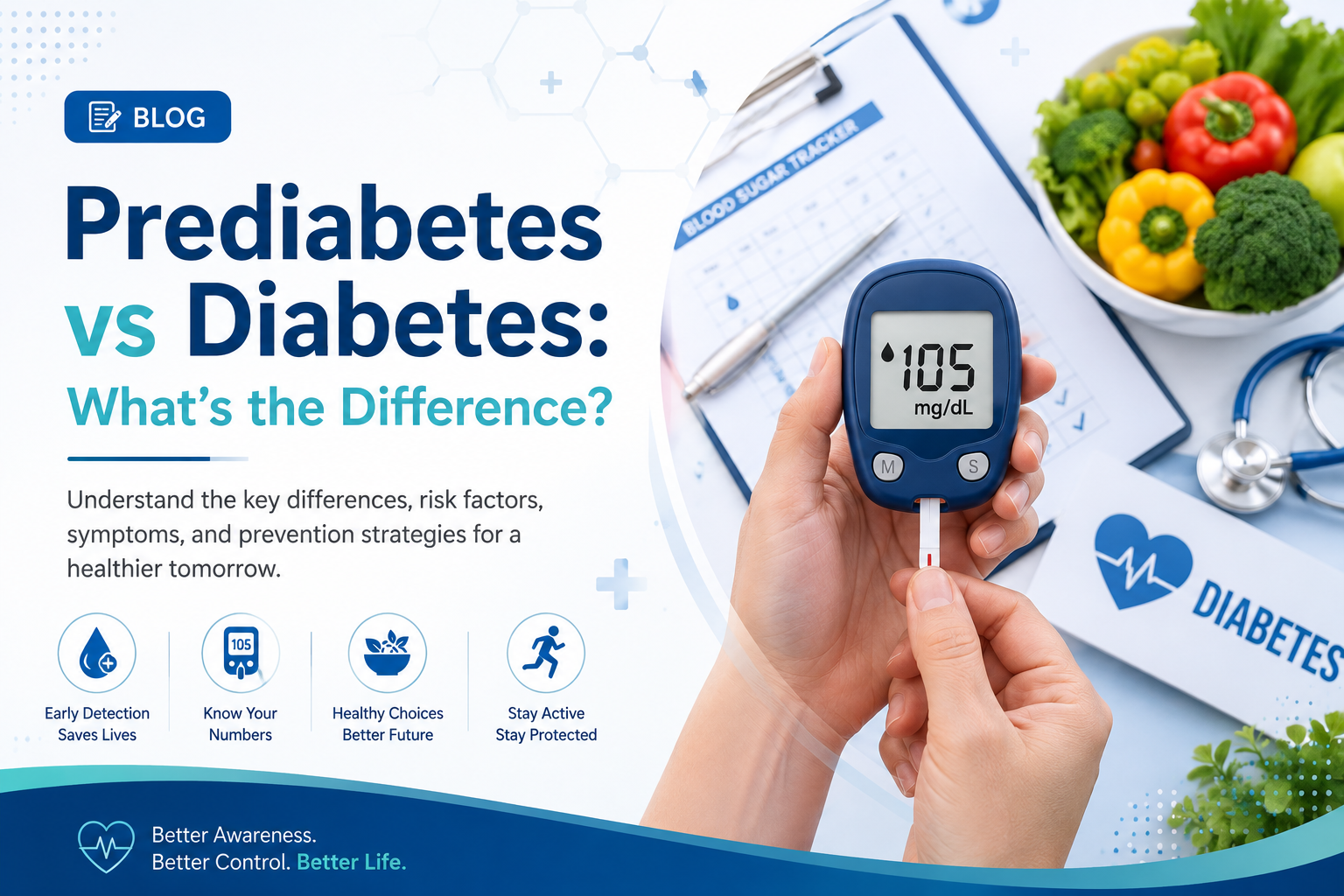
Prediabetes and diabetes are closely related, but they are not the same. Prediabetes is an early warning sign that your blood sugar levels are higher than normal but not yet high enough to be diagnosed as diabetes. Diabetes, on the other hand, is a chronic condition that requires ongoing medical care and lifestyle management. Understanding the difference between the two can help you take timely action and protect your long-term health.
Prediabetes often develops without noticeable symptoms, which is why many people are unaware they have it. It occurs when the body starts becoming resistant to insulin, the hormone responsible for regulating blood sugar. Without intervention, prediabetes can progress to Type 2 diabetes over time. The good news is that with healthy lifestyle changes, prediabetes can often be reversed, significantly reducing the risk of developing diabetes.
Diabetes occurs when the body either doesn’t produce enough insulin or cannot use insulin effectively. This causes blood sugar levels to remain consistently high, increasing the risk of serious complications such as heart disease, kidney damage, nerve problems, and vision loss. Unlike prediabetes, diabetes usually requires long-term management through lifestyle modifications, medication, or insulin therapy.
Although prediabetes may not cause obvious symptoms, diabetes often presents with warning signs such as frequent urination, excessive thirst, increased hunger, fatigue, blurred vision, slow-healing wounds, and frequent infections. If you experience any of these symptoms, it’s important to consult a healthcare professional for proper evaluation.
Several factors increase the risk of developing both prediabetes and diabetes. These include being overweight, leading a sedentary lifestyle, having a family history of diabetes, high blood pressure, unhealthy eating habits, and increasing age. Regular health check-ups and blood sugar screening are especially important for individuals with these risk factors.
The most effective way to prevent prediabetes from progressing to diabetes is by adopting healthier habits. Eating a balanced diet rich in vegetables, whole grains, lean proteins, and fiber while reducing sugary foods and processed snacks can help regulate blood sugar levels. Regular physical activity, maintaining a healthy weight, managing stress, and getting adequate sleep also play an important role in preventing diabetes.
If diabetes has already developed, early diagnosis and proper treatment are essential to prevent complications. Treatment plans may include dietary guidance, exercise, oral medications, insulin therapy, and regular blood sugar monitoring. Consistent follow-up with a diabetes specialist helps ensure better blood sugar control and improves overall quality of life.
At our Diabetes Clinic in Miyapur, we provide comprehensive care for individuals with prediabetes and diabetes. From early screening and accurate diagnosis to personalized treatment plans and lifestyle counseling, our experienced team is committed to helping patients achieve better blood sugar management and reduce the risk of long-term complications.
Conclusion
Prediabetes is a warning sign, while diabetes is a chronic condition that requires ongoing care. The earlier you identify abnormal blood sugar levels, the better your chances of preventing serious health problems. If you’re at risk or experiencing symptoms, don’t delay seeking medical advice.